 Ultimate guide
Annual Backflow Inspection: A Complete Guide
Last Updated: November 8, 2026
Quick Summary
An annual backflow inspection is a scheduled test of the mechanical assembly that stops contaminated water from reversing into your clean water lines. A certified tester shuts off the water, connects a calibrated test gauge to the assembly's test cocks, and runs a sequence of pressure readings. The inspection confirms the device still seals correctly and produces the report your water authority requires.
- The assembly sits on your side of the meter, so a failure puts liability on you, not the utility.
- Back-siphonage and back-pressure are the two forces a backflow prevention assembly is built to stop.
- Irrigation assemblies are exposed to weather and debris, so they fail more often than indoor devices.
- Only a certified backflow tester with current state and local credentials may perform the test and submit the report.
- Test on schedule rather than waiting for the notice, and keep irrigation assemblies clear of soil and standing water.
Table of Contents
- What an Annual Backflow Inspection Involves
- Why Annual Backflow Testing Matters for Public Health
- What to Expect from Annual Backflow Inspection Cost
- Backflow Testing: How Long Does It Take?
- Residential Backflow Testing for Homeowners
- Who Is Qualified to Perform Backflow Testing
- Common Causes of Backflow and How to Prevent It
- Schedule Your Annual Backflow Inspection with H-Town Backflow
- Frequently Asked Questions
What an Annual Backflow Inspection Involves
An annual backflow inspection is a scheduled test of the mechanical assembly that stops contaminated water from reversing into your clean water lines. H-Town Backflow performs these tests for commercial properties, multi-unit complexes, and homes with irrigation systems across the Greater Houston area and surrounding municipalities. The inspection confirms the device still seals correctly and produces the report your water authority requires.
Most property owners treat this as paperwork. It isn't. The assembly sits on your side of the meter, and when it fails, the liability lands on you, not the utility.
How the Backflow Prevention Assembly Works
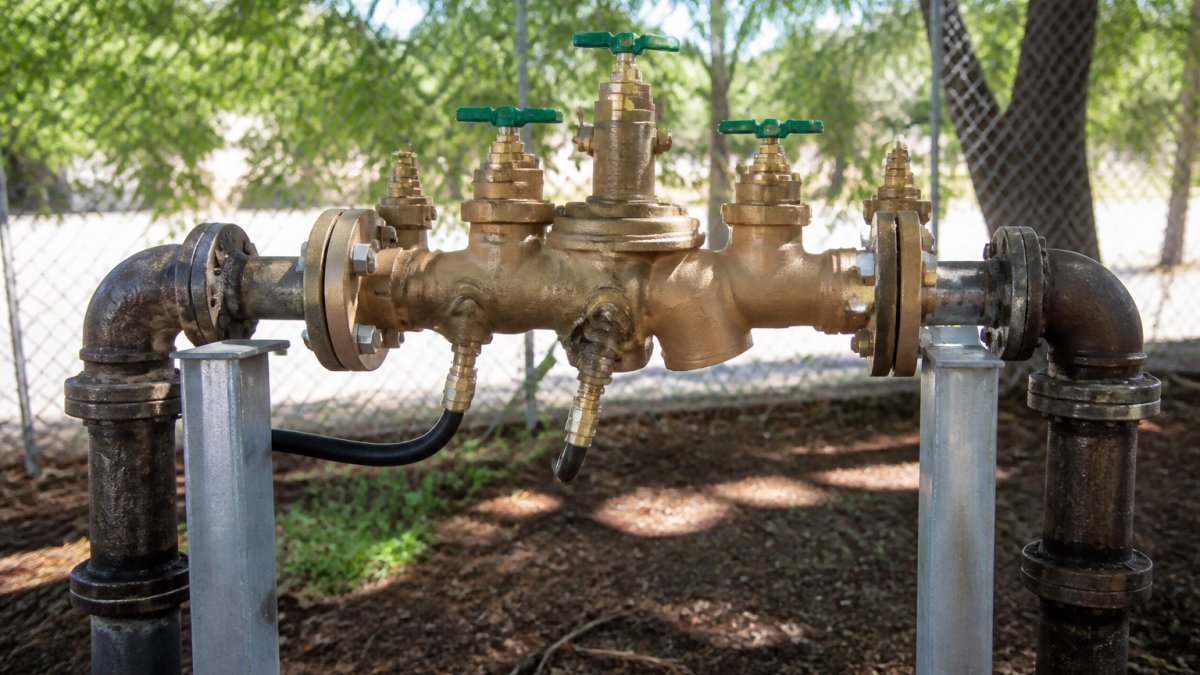
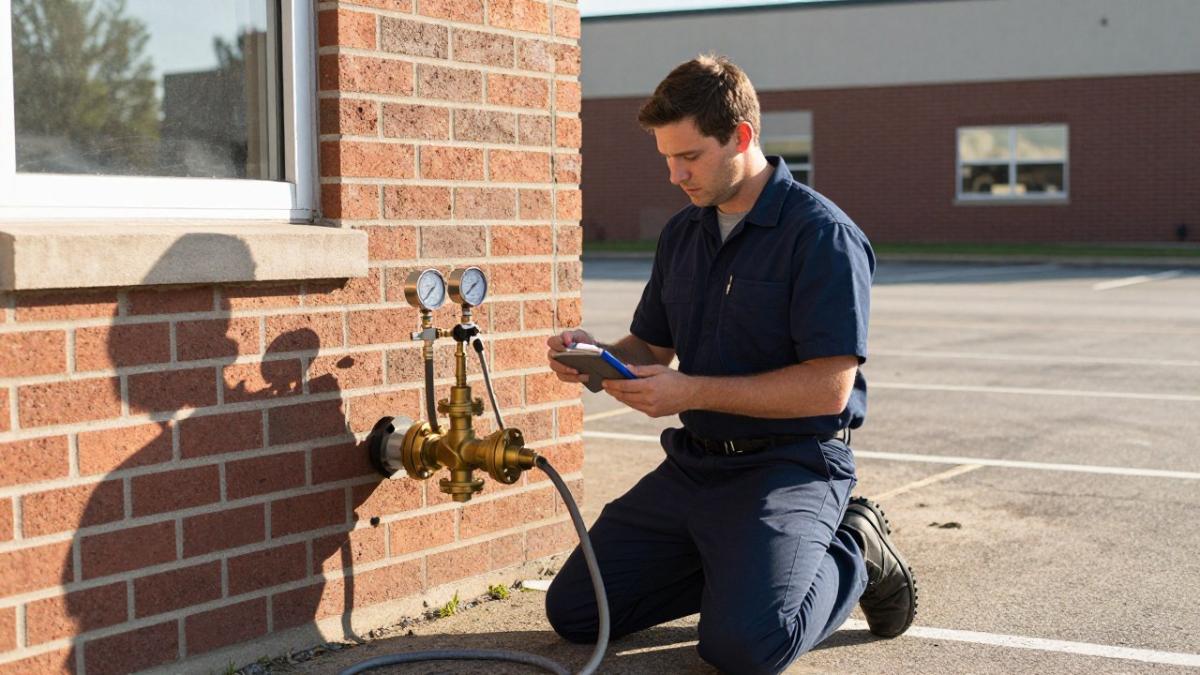
A backflow prevention assembly is a mechanical valve system that allows water to flow in one direction only. Common types include the reduced pressure zone (RPZ) assembly, the double check valve, and the pressure vacuum breaker. Each uses check valves and, in the RPZ case, a relief valve that dumps water if pressure differentials fail.
Two forces cause the problem this device prevents. Back-siphonage happens when supply pressure drops, pulling water backward through a cross-connection. Back-pressure occurs when downstream pressure exceeds supply pressure and pushes water the wrong way. Either path can draw fertilizers, chemicals, or grey water into the potable water supply.
What Happens During an Inspection
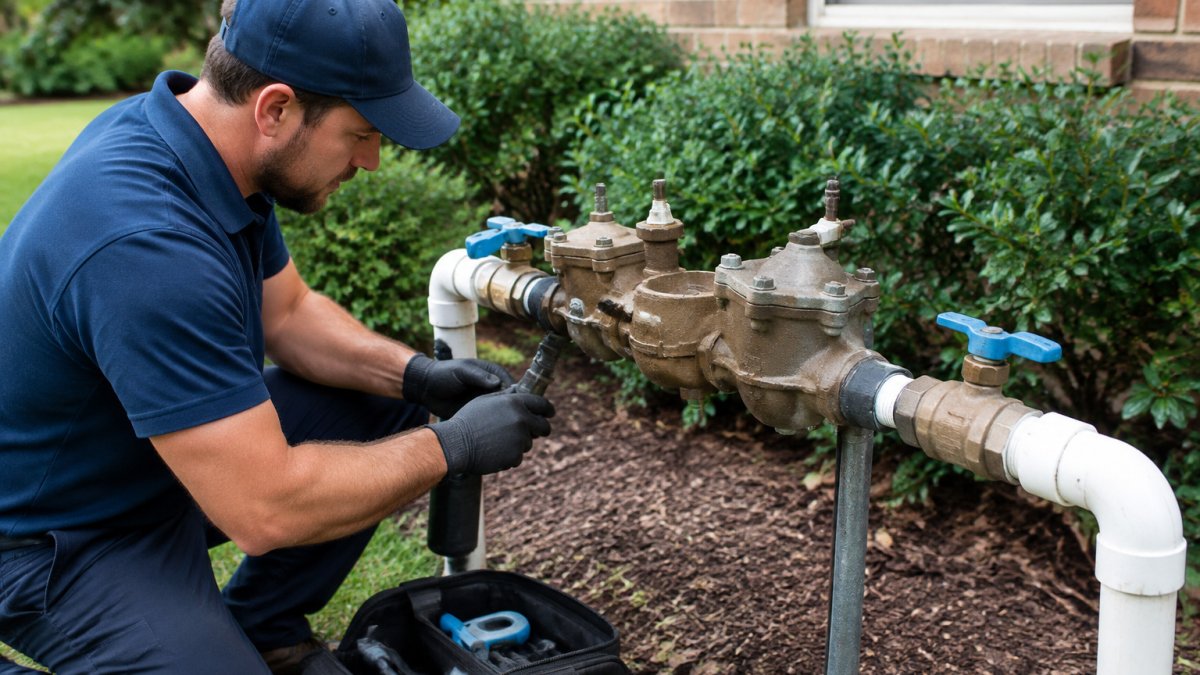
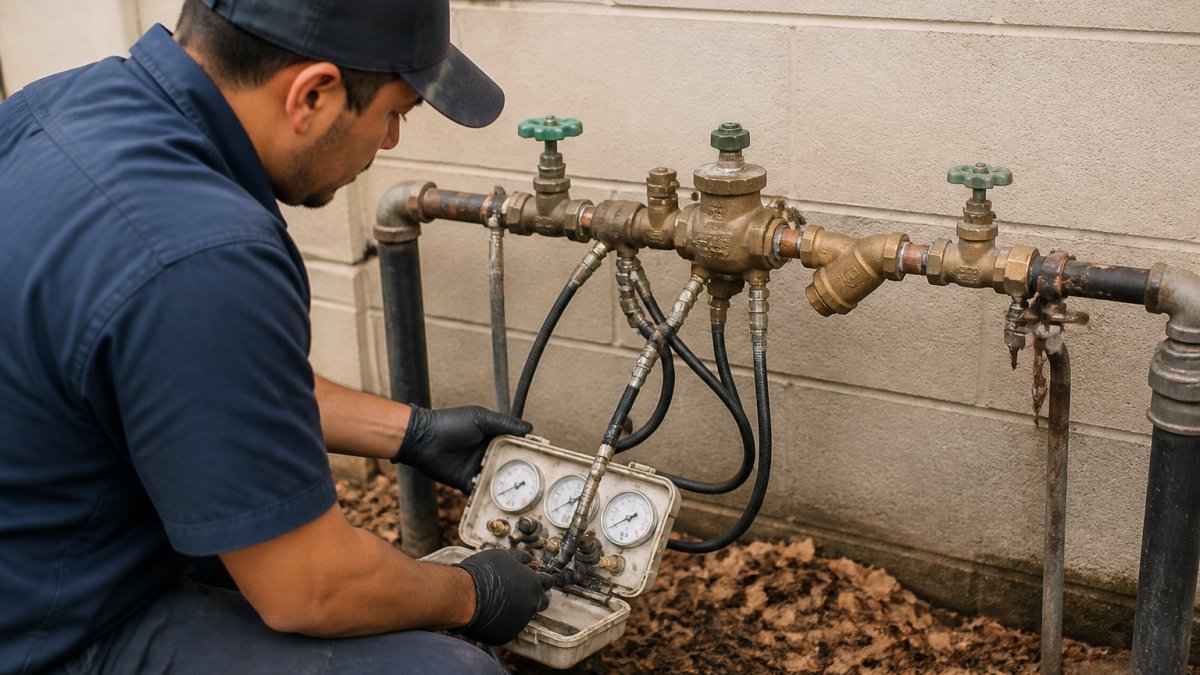
A certified tester shuts off the water, connects a calibrated test gauge to the assembly's test cocks, and runs a sequence of pressure readings.
For the full walkthrough, see what happens during a backflow inspection.
Here are the key facts about the assemblies and forces involved in an annual backflow inspection.
| Item | Value | Note |
|---|---|---|
| RPZ assembly | Reduced pressure zone | Uses check valves and a relief valve |
| Double check valve | Common assembly type | Uses check valves |
| Pressure vacuum breaker | Common assembly type | Uses check valves |
| Back-siphonage | Supply pressure drops | Pulls water backward through a cross-connection |
| Back-pressure | Downstream exceeds supply pressure | Pushes water the wrong way |
| Inspection sequence | Shut off water, connect gauge, read pressures | Performed by a certified tester |
Why Annual Backflow Testing Matters for Public Health
Public health safety is a key reason these devices exist. A cross-connection without protection can allow contaminants to enter the water supply.
Seals degrade, debris fouls check valves, and water pressure fluctuations stress the assembly year-round. Testing frequency exists because the device's condition changes.
What to Expect from Annual Backflow Inspection Cost
Pricing for an annual backflow inspection depends on several factors, including the device type, the number of assemblies on site, accessibility, and whether repairs are needed. For current pricing, visit the H-Town Backflow website or request a quote.
We don't publish flat rates because a quote built without seeing your setup is a guess, and a guess that lowballs the job tends to grow once the technician is on site. For a detailed breakdown of what drives residential pricing, read how to budget the cost of residential backflow testing.
Backflow Testing: How Long Does It Take?
Backflow testing duration depends on the device and property. For an estimate for your specific setup, contact H-Town Backflow.
Residential Backflow Testing for Homeowners
Residential backflow testing may apply to homes with irrigation systems connected to the municipal supply. Check with your local water authority for its requirements.
This surprises people who assume the city handles it.
The Backflow Test on a Sprinkler System
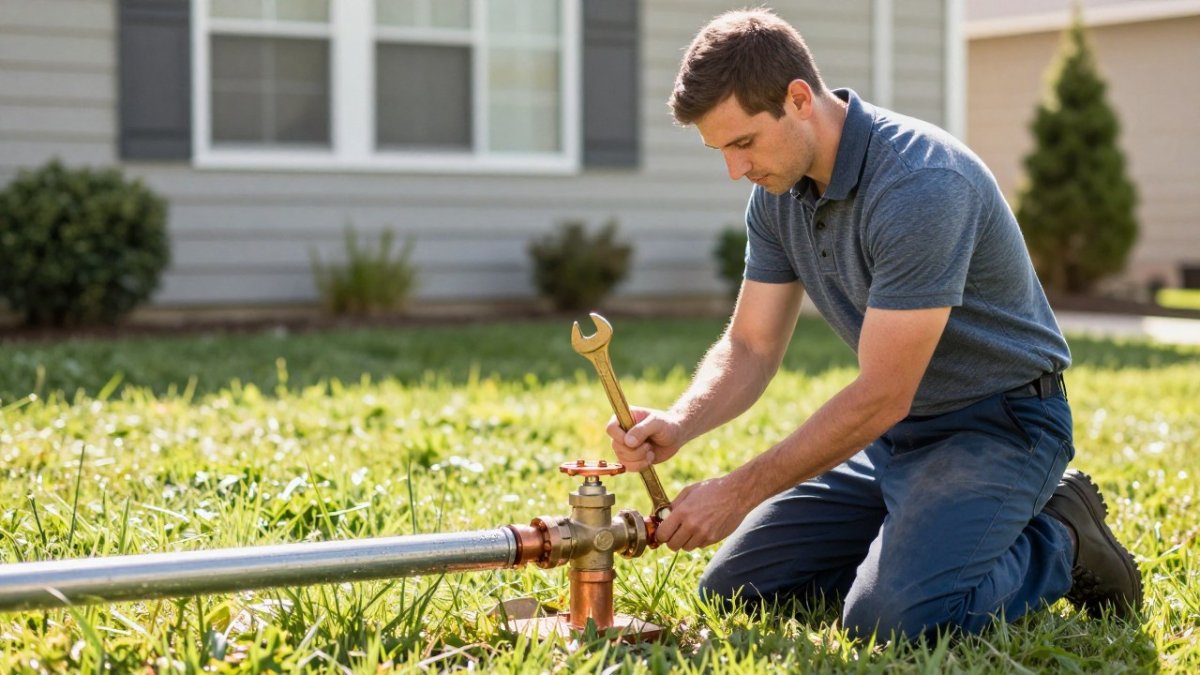
The backflow test on a sprinkler system usually involves a pressure vacuum breaker or an RPZ mounted above ground near the meter. The tester connects gauges, checks the air inlet and check valve, and confirms the device holds under test conditions. Irrigation assemblies are exposed to weather and debris, so they fail more often than indoor devices.
Homeowners with irrigation should review the residential irrigation backflow testing requirements before scheduling, since local rules vary by municipality.
Who Is Qualified to Perform Backflow Testing
Only a certified backflow tester holding current state and local credentials may perform the test and submit the report.
Before you hire anyone, verify the license directly with your water authority or the state program that issued it. Our guide on how to verify backflow technician credentials walks through the check step by step.
Common Causes of Backflow and How to Prevent It
Backflow comes from pressure loss or pressure reversal, and the causes are ordinary: a main break, a fire hydrant opened nearby, a pump failure, or a sudden demand spike. Plumbing system integrity protects you when those events happen.
Prevention generally involves routine maintenance:
- Test on schedule, never after the notice arrives
- Keep irrigation assemblies clear of soil and standing water
- Repair leaks promptly; a dripping relief valve signals trouble
- Log every test and repair for your compliance file
- Ask the tester to flag worn seals before they fail
For the specific failure patterns testers see most, read common reasons backflow tests fail. Device maintenance beats emergency repair every time.
Schedule Your Annual Backflow Inspection with H-Town Backflow
The gap between compliant and shut off is one missed date. If your assembly is due, or you've received a notice, the fix starts with a single call.
H-Town Backflow tests and repairs backflow assemblies across the Greater Houston area and surrounding municipalities. We offer night and weekend appointments and flexible scheduling to help keep your operations running without water service interruption. Our team holds BP # 0024323 through YearRound Houston LLC.
Get started with H-Town Backflow and keep your annual backflow inspection current, your system compliant, and your water supply protected.
Send us your property details and device count, and we'll schedule a testing window that fits your operation.
Frequently Asked Questions
What is an annual backflow inspection?
An annual backflow inspection is a yearly test of your property's backflow prevention assembly to confirm it stops contaminated water from reversing into the potable water supply. A certified tester connects calibrated gauges, checks the device under simulated pressure conditions, and files the results with your local water authority. Most municipalities require this test every 12 months, and the assembly must pass to keep your water service active.
How much does an annual backflow inspection cost?
Annual backflow inspection cost varies by device type, property size, and local requirements, so there is no single flat rate. Factors include whether you have one assembly or several, whether the device passes on the first try, and whether repairs are needed. For an accurate figure for your property, request a quote from a licensed provider, since pricing depends on your specific setup and scheduling needs.
How long does backflow testing take?
Backflow testing how long does it take depends on the device and property, but a single assembly test usually takes 15 to 30 minutes on site. Water service is typically shut off only briefly during the test. If the device fails and needs repair, the visit can take longer or require a follow-up appointment. Scheduling after-hours testing helps avoid disruption to tenants or business operations.
Do I need residential backflow testing for my home sprinkler system?
Yes. Requirements for residential backflow testing vary by municipality. Check with your local water authority to learn whether irrigation systems connected to the public water supply must be tested. Homeowners should check their local water authority's rules, since requirements and testing frequency can vary by area.
What happens if a backflow preventer fails its test?
If a backflow preventer fails, the tester will note the failure and typically recommend repair or replacement of the assembly. You may need a follow-up visit to fix the issue and retest. Some water authorities issue a shut-off notice if the device is not brought into compliance within a set period.
Who is qualified to perform backflow testing?
Only a certified backflow tester with a valid license and calibrated test equipment should perform the inspection. Many states and municipalities require specific certification, and the tester must submit results to the local water authority. Ask for proof of certification and a license number before booking. A qualified technician will also carry the right gauges and know your area's plumbing code compliance rules.