 how-to
Who Files Backflow Compliance Paperwork? Houston Guide
Table of Contents
- Backflow Compliance Paperwork in Houston: Who Files What
- Your Step-by-Step Backflow Test Report Submission Workflow
- Step 1: Identify the Water Authority for Your Service Address
- Step 2: Schedule the Test With a Tester Approved by That Authority
- Step 3: Confirm What the Tester Files and What You Keep
- Step 4: Verify Receipt With the Authority
- Step 5: If the Tester Does Not File, Escalate in Writing
- Step 6: Close the Loop in Your Records
- How to Choose a Certified Backflow Tester in the Houston Area
- What Goes on a Backflow Test Report Form
- Deadlines, Late Notices, and What Happens If You Miss Them
- Keeping Backflow Compliance Records for Audits and Inspections
- Who Is Responsible Under Texas Backflow Regulations
- Frequently Asked Questions
Last Updated: October 5, 2026
Backflow Compliance Paperwork in Houston: Who Files What
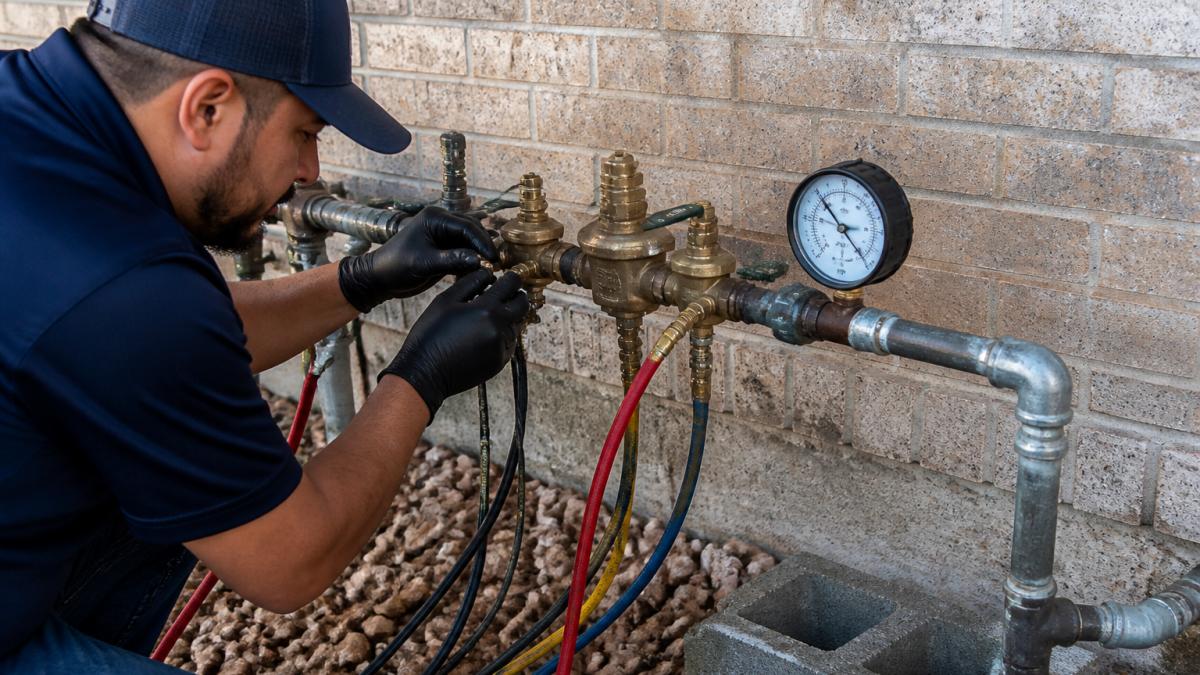
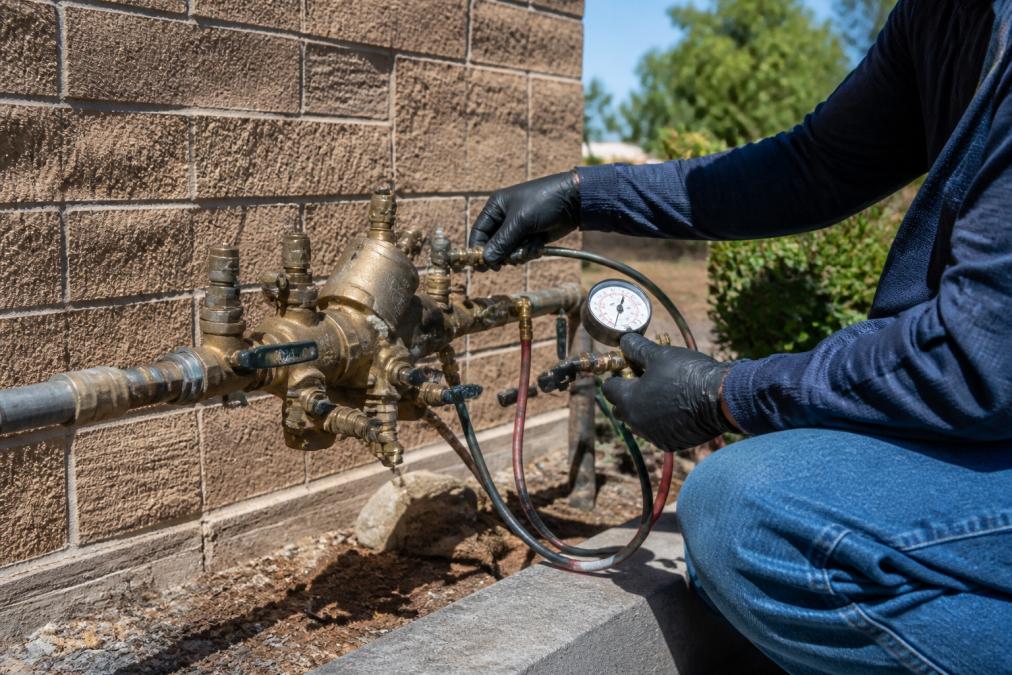
In Houston, the certified tester who performs your backflow test files the completed test report with your water authority.
Here is the part most guides get wrong: they treat filing as one task. It is actually two, split between two parties with two different deadlines.
Below, we walk through the exact submission workflow, what belongs on the report, and how to confirm your filing actually landed.
Your Step-by-Step Backflow Test Report Submission Workflow
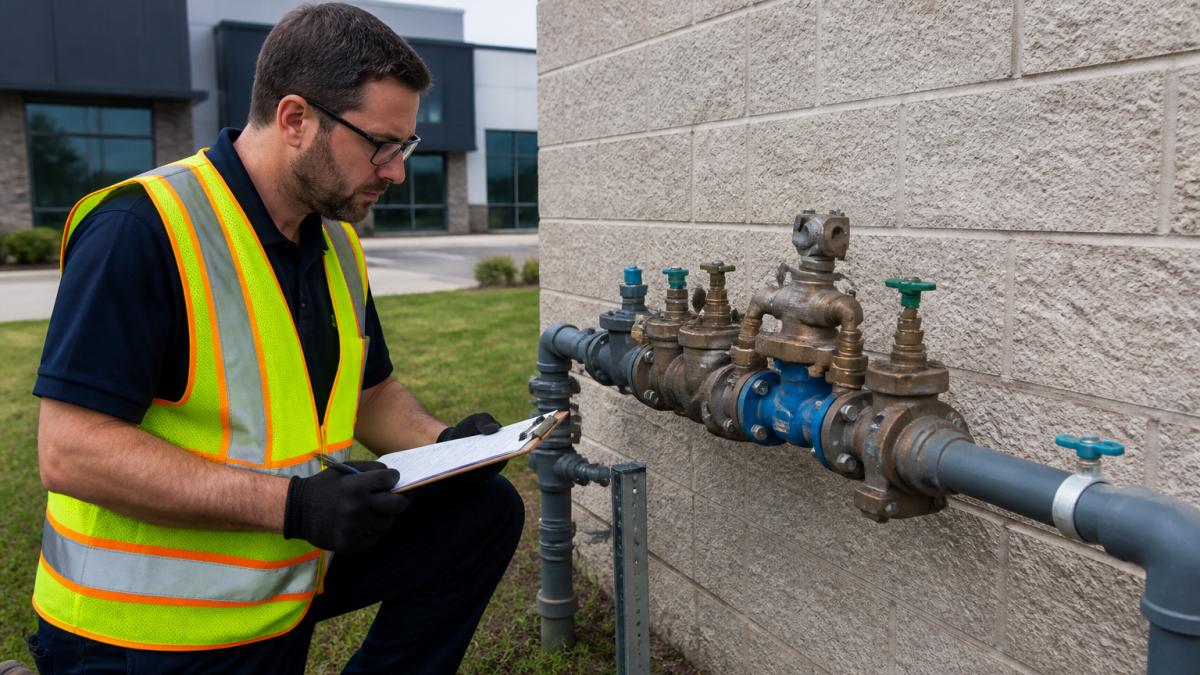
Filing responsibility in the area is not uniform. Depending on the service address, the report may go to the City of Houston's drinking water program, a municipal utility district (MUD), a water control and improvement district, or a private utility.
Step 1: Identify the Water Authority for Your Service Address
Do not assume the city name on your mailing address is the authority that regulates your backflow assembly. Many properties with a Houston mailing address sit inside a MUD or a water control and improvement district with its own cross-connection control program.
A reliable way to find the right authority:
- Pull a recent water bill and read the remit-to name and the customer service phone number. That entity is usually the one that tracks your test reports.
- Check the property's tax statement or closing documents for a MUD or district name.
- Search the state's public water system database by the system name or public water system ID (PWS ID) printed on the bill.
- Call the number on the bill and ask directly: "Who receives my annual backflow test report, and what form do you require?"
Write the authority name, the PWS ID, and the required form version into your compliance file. This one detail prevents most rejected filings.
Step 2: Schedule the Test With a Tester Approved by That Authority
Certification is statewide, but approval to file is often authority-specific. Confirm three things before booking:
- The tester's current license number and expiration date
- That the tester is on the approved list for your specific authority, if that authority maintains one
- That the tester uses the current version of that authority's form
Step 3: Confirm What the Tester Files and What You Keep
Ask these questions in writing (email or text) before the appointment:
- Which authority will you submit the report to, and by what method, portal, email, or mail?
- Will you send me a copy of the submitted report and the confirmation number?
- What is your turnaround time from test to submission?
A tester who cannot answer these clearly is a filing risk.
Step 4: Verify Receipt With the Authority
Wait the tester's stated turnaround, then verify independently. Call the authority's backflow or cross-connection line or log into its customer portal if one exists. Ask whether the report for your assembly serial number was received and accepted.
Step 5: If the Tester Does Not File, Escalate in Writing
This is the step most guides skip. If the authority has no record of your report:
- Email the tester requesting the submission confirmation number and the date of submission.
- If there is no response within a few business days, request the completed report so you can file it yourself, if the authority allows owner submission.
- If the authority does not accept owner filings, hire a different approved tester and document the failed filing in your records.
- Notify the authority in writing that a test was performed and you are resolving the filing, so the violation is tied to an open correction rather than an ignored notice.
Step 6: Close the Loop in Your Records
File the test report, the submission confirmation, and the authority's acceptance together. Note the next annual due date one month early on your calendar. The workflow is only complete when you can prove the authority received and accepted the report, not when the test is done.
How to Choose a Certified Backflow Tester in the Houston Area
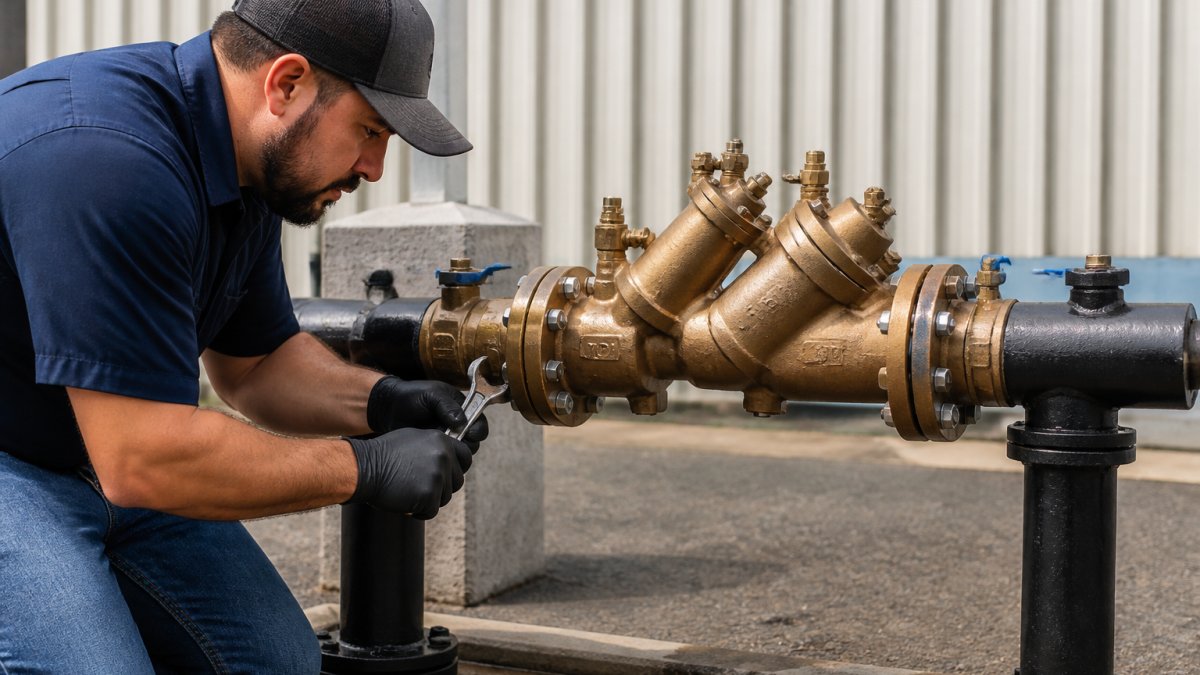
A certified backflow tester holds a current license, carries the right test equipment, and knows your local district's filing rules. The license is the floor, not the ceiling.
Look for these signals:
- Current certification and a license number they share without being asked
- Familiarity with your specific water district or municipal utility district
- Willingness to schedule nights and weekends so testing does not shut down your building
- A clear answer on who files the report and when
A common mistake is hiring on price alone. The cheapest test often comes with the slowest filing, and a late report costs more than the test ever saved.
At H-Town Backflow, our team carries BP # 0024323 and serves the City of Houston and many surrounding municipalities. We offer flexible scheduling, including night and weekend appointments, to ensure your operations continue without water service interruption.
What Goes on a Backflow Test Report Form
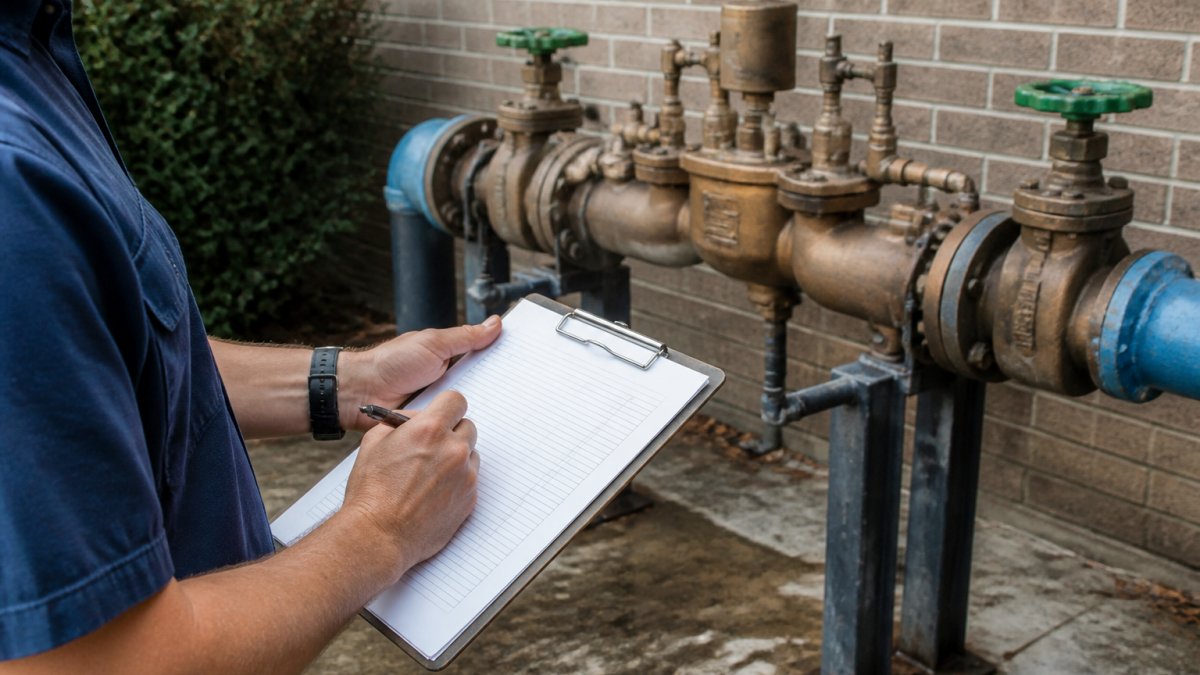
A backflow test report form records the device, the test, and the result. Every field matters because the water authority uses the form to decide whether your assembly passes.
Expect these fields on a standard report:
- Device identification and assembly serial number
- Device type, size, and location on the property
- Test date and the tester's name and license number
- Test results for each check valve and relief valve
- Pass or fail status
- Tester signature and date
If any field is blank or the signature is missing, the authority can reject the report. A rejected report is the same as no report at all.
Deadlines, Late Notices, and What Happens If You Miss Them
Most area authorities require annual testing of each backflow prevention assembly, and many tie the due date to the month the device was installed or last tested. Some assemblies, such as reduced pressure zone assemblies serving certain high-hazard connections, may face more frequent testing under the authority's cross-connection control program. The specific interval is set by the authority that governs your address, so confirm it when you identify that authority.
The Typical Notice Sequence
While exact timelines vary by authority, a common pattern looks like this:
- A courtesy reminder mailed or emailed before the due date
- A first notice of violation shortly after the due date, with a correction window
- A second notice with a shorter window and a possible fee
- A final notice warning of enforcement action, which can include interruption of water service
Correction windows are often measured in days to a few weeks, not months. The longer you wait, the shorter the window gets.
What to Do After a Missed Deadline
- Schedule the test immediately with an authority-approved tester and tell them you are responding to a notice.
- Ask the tester to mark the submission as a correction or violation response if the authority's form has that field.
- Send the authority written notice that testing is scheduled, including the appointment date, so your file shows active correction.
- Once the report is filed, confirm acceptance and keep the confirmation with the original notice.
- If a fee was assessed, ask the authority whether it is waived upon timely correction, some are, some are not.
Consequences Beyond Fees
A pattern of missed tests can affect more than your water service. Commercial property owners may find unresolved violations flagged during tenant improvement permits, certificate of occupancy reviews, or real estate due diligence. Lenders and buyers increasingly ask for a clean backflow compliance history during closings.
How to Avoid the Cycle Entirely
- Put the test date on your calendar 30 to 45 days before the due month.
- Set a recurring reminder for the same month each year.
- Keep the authority's phone number and portal login in the same file as your last report.
- If you manage multiple assemblies, stagger testing across the year so a single missed reminder does not put every device out of compliance at once.
The EPA's cross-connection control guidance explains why these deadlines exist and how backflow threatens public health. The deadlines are not administrative busywork, they are the mechanism that keeps unprotected cross-connections from going unnoticed for years.
Keeping Backflow Compliance Records for Audits and Inspections
Backflow compliance records should be kept for at least the life of the device, and many authorities expect several years of history. Store the certified test report, the submission confirmation, and any repair records together.
A simple system works best:
- One folder per property, physical or digital
- Reports filed by test date, newest on top
- Confirmation numbers noted next to each report
- Repair invoices and parts records kept with the matching test
When an inspector or a buyer asks for proof, you pull one folder. No scrambling.
Who Is Responsible Under Texas Backflow Regulations
The property owner carries the legal duty to keep every backflow prevention assembly tested and compliant. Texas rules on cross-connection control, including Texas Commission on Environmental Quality rules on public water systems, place that duty on the owner, not the tester and not the tenant.
What that means in practice:
- You must ensure testing happens on schedule
- You must keep the records
- You must respond to notices and correction timelines
The tester handles the test and the filing. You handle the accountability. That is the whole split, and it is why the confirmation step in our workflow matters so much.
H-Town Backflow helps property managers, homeowners, and facility teams across the Greater Houston area stay current. We handle the test, the report, and the filing, and we hand you the proof.
Backflow compliance only breaks down when the paperwork does. If you manage multiple properties or an irrigation system with an annual deadline, the filing chain is the part that quietly slips.
Frequently Asked Questions
Who is responsible for filing backflow compliance paperwork in Houston?
In most Houston-area jurisdictions, the certified backflow tester who performs the test is responsible for submitting the completed test report to the local water authority or municipal utility district. The property owner is responsible for scheduling the annual test, ensuring access to the assembly, and keeping a copy of the filed report. However, some water districts require the property owner to submit the report directly, so always confirm your specific district's rules before assuming the tester handles it.
Does the property owner or the backflow tester submit the test report?
It depends on the water authority serving your property. Many Houston-area water districts accept the test report directly from the licensed tester who signed it, while others require the property owner or their designated agent to file it. The safest approach is to ask your tester upfront who submits the form and to request proof of submission, such as a confirmation email or stamped copy, so you have documentation for your backflow compliance records.
What happens if a backflow test report is late or missing?
A late or missing test report can trigger a compliance notice from your water authority, and in some cases, the district may impose penalties or require a re-test. If the report is never filed, the water system may be considered out of compliance, which can lead to service restrictions until the issue is resolved. Property managers should track submission deadlines and follow up with their certified backflow tester to confirm the report was received on time.
How can a property manager confirm that a backflow test was submitted?
Ask your certified backflow tester for a copy of the completed backflow test report form with the submission confirmation, such as a timestamped email, fax receipt, or portal upload screenshot. You can also contact your local water district or municipal utility district directly and request verification that the report is on file for your assembly serial number. Keeping these confirmations in your backflow compliance records makes annual renewals and audits much easier.